
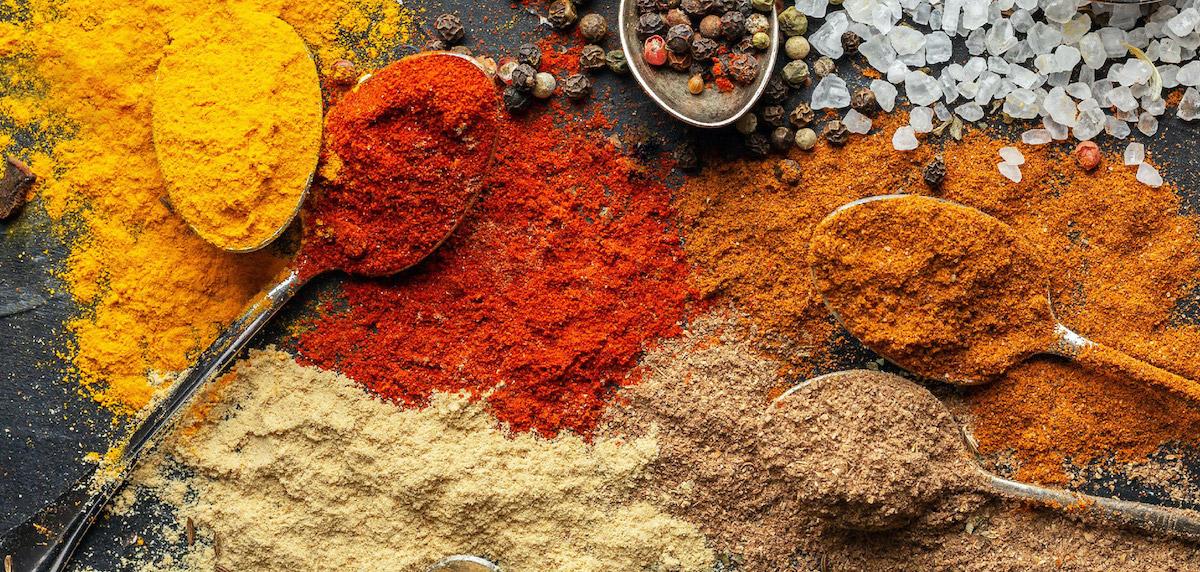
Whether you are a beginner or a passionate lover of Italian cuisine eager to experiment, there is a world of flavours ready to enrich your dishes: spices.
Many people approach them with a certain caution. How often do you buy a small jar to complete a recipe, only to forget it at the back of the cupboard for years? A real pity, because spices are the lifeblood of countless dishes. They not only enhance natural flavours, but also add new aromas to familiar ingredients, stimulating all five senses.
Cooking without spices is a bit like composing an orchestra without the string section: anyone who thinks “spices” means just a pinch of pepper or a spoon of paprika is missing out on an extraordinary richness.
A world of spices
The Middle East has been for millennia the heart of the spice trade between East and West. The spices from the eastern Mediterranean coasts are green and vibrant, drier and more intense than those from the Arabian deserts, while fertile lands produce sweeter and fresher aromas.
African cuisine, as diverse as the continent itself is vast, tells a complex story: from ancient kingdoms and empires to colonisation, including internal migrations and trade routes.
In South Asia, each community has its own seasonings: from pure cumin to complex blends. Local spices such as cardamom and cinnamon are essential, while others like chilli and coriander, introduced over time, are now part of the culinary culture.
The arrival of chilli in Southeast Asia thanks to Portuguese traders revolutionised regional cuisine. Today it is one of the dominant spices, alongside fresh ingredients such as garlic, ginger and lemongrass.
East Asia also played a crucial role: as a destination of trade routes in the 15th century, it is now the fourth largest producer in the world. Interestingly, spices here are rarely hot—except for Sichuan pepper, which creates a distinctive numbing sensation on the tongue.
The American continent offers a diverse and creative spice map, shaped by Asian, European, forest, ocean and mountain influences. Many spices used today come from global trade, but there are also interesting uses of native spices.
Italy also played a fundamental role. Between the 8th and 15th centuries, when the Republic of Venice controlled the spice trade, the country was at the centre of this network. Today, regional traditions reflect this history: fennel, nutmeg, saffron, cloves and chilli enrich meats, cheeses, pasta and traditional desserts such as panforte.
What is a spice?
Spices are the most aromatic parts of plants: seeds, roots, fruits, stems, flowers or bark, usually dried. Unlike herbs, which mainly come from leaves, spices have a much higher aromatic concentration.
Some highly fragrant leaves such as bay leaf or coriander can be considered spices when used primarily to flavour dishes rather than as fresh ingredients.
Many spices, endless possibilities in the kitchen
More than a hundred spices are used worldwide, each with a unique aromatic profile and a history that crosses cultures and continents. From common ones like black pepper, cinnamon, paprika and turmeric to lesser-known spices such as sumac, mace, fenugreek or ajowan, their world is vast and full of possibilities.
Each country has developed its own way of using spices, creating blends that are now part of the global culinary heritage. Some enhance flavour, others add aroma, colour or intensity. Learning about them means discovering new balances of taste.
Even the simplest dishes can be completely transformed by a carefully chosen spice: turmeric adds colour, cumin brings depth to legumes, and cardamom adds elegance to desserts.
In this guide we focus on some of the most versatile and beloved spices: turmeric, cumin, curry, coriander, cardamom, tandoori, ginger and chilli.
Cumin
Cumin is one of the most versatile spices, with an intense, warm and slightly bitter aroma.
Just toasted seeds can enhance legumes, soups or roasted vegetables.
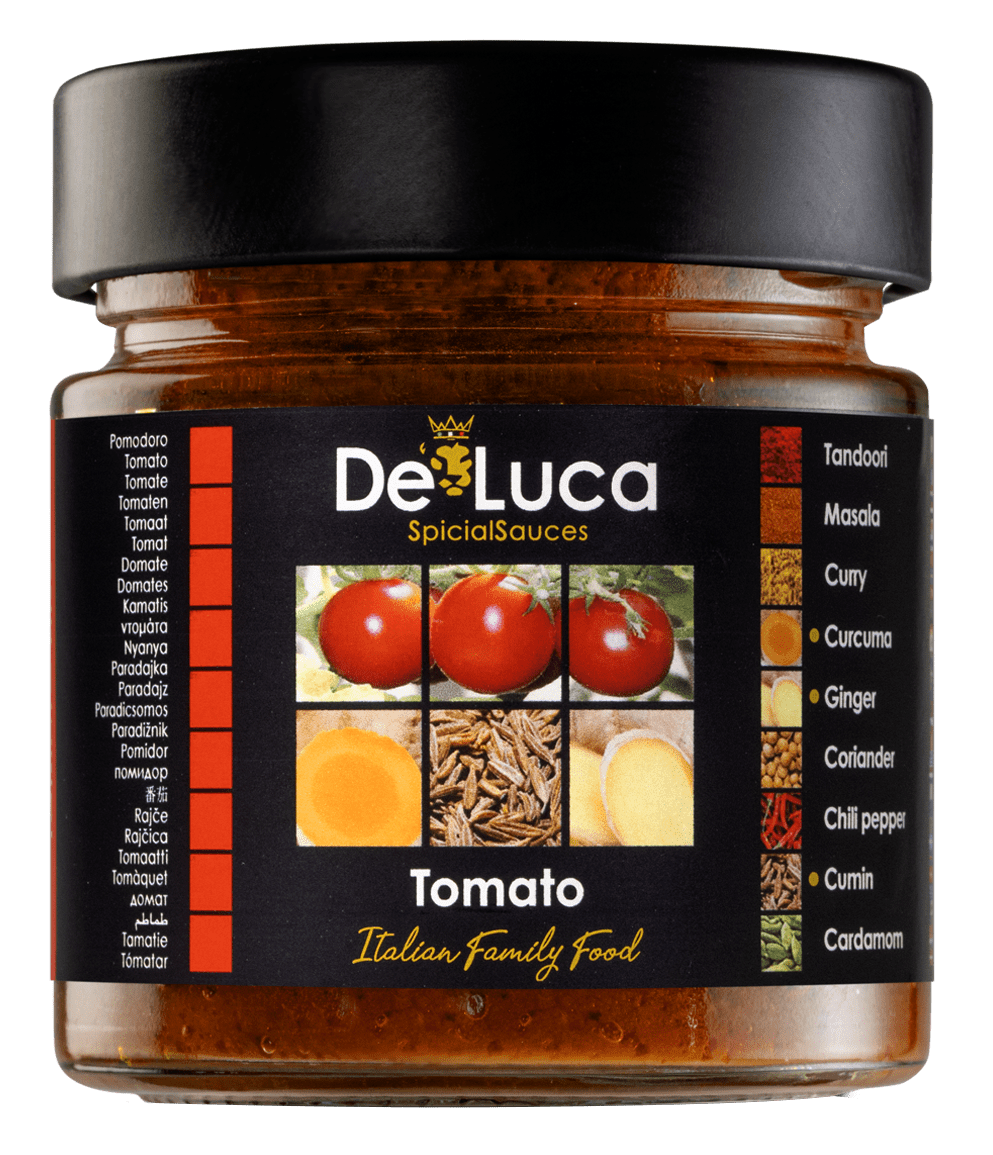
In our Spicial Sauces range it is included in the Tomato sauce. We recommend trying it with oven roasted mixed vegetables.
Curry
Curry is much more than a spice: it is a complex blend of aromas and cultures.
Just a teaspoon is enough to flavour rice, soups or vegetables.
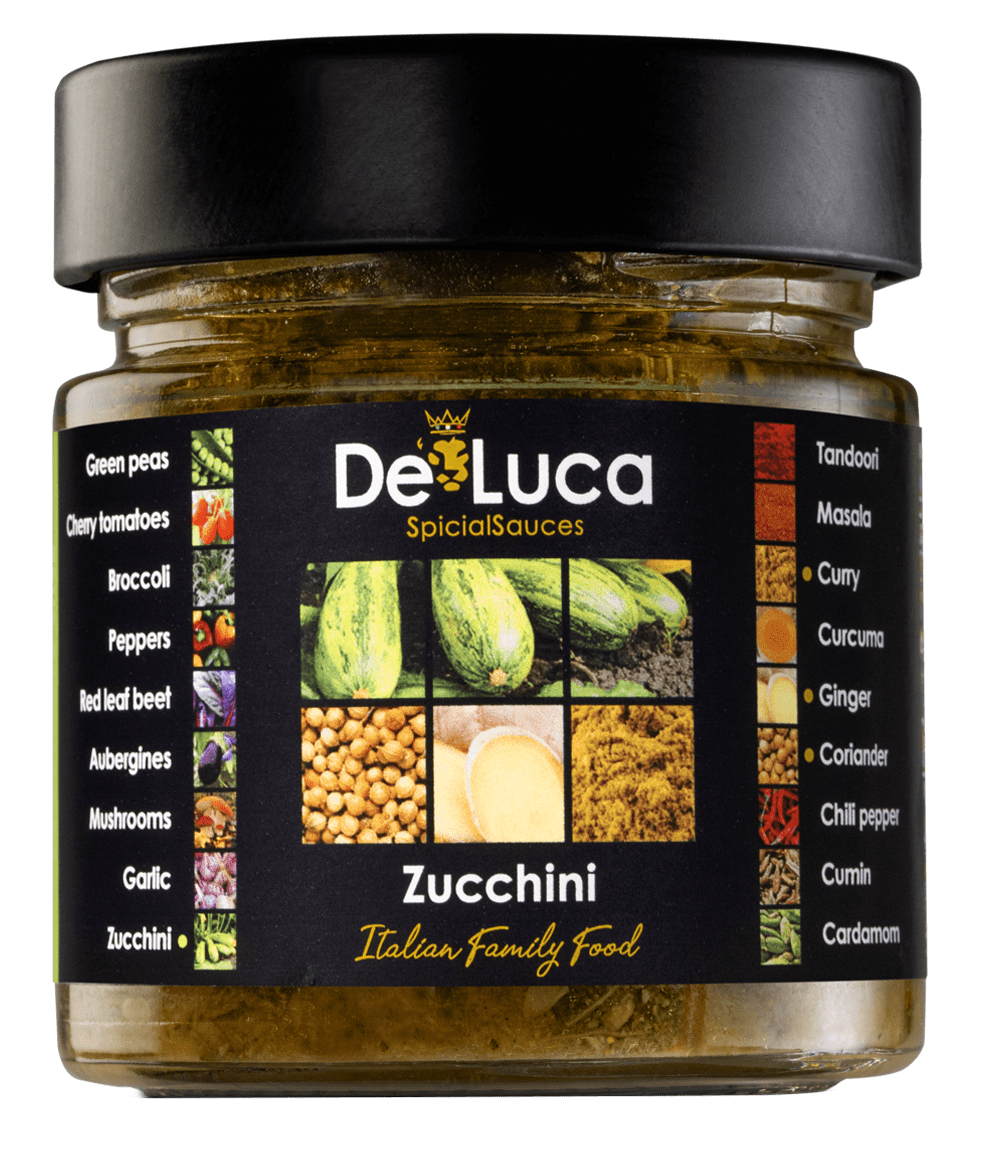
In our range you can find curry in the Zucchini, combined with coriander and ginger.
Coriander
Coriander has a fresh, citrusy aroma.
It pairs perfectly with curry, ginger and cumin.
It is featured in the Zucchini sauce.
Tandoori
Tandoori is an Indian spice blend with an intense flavour and distinctive colour.
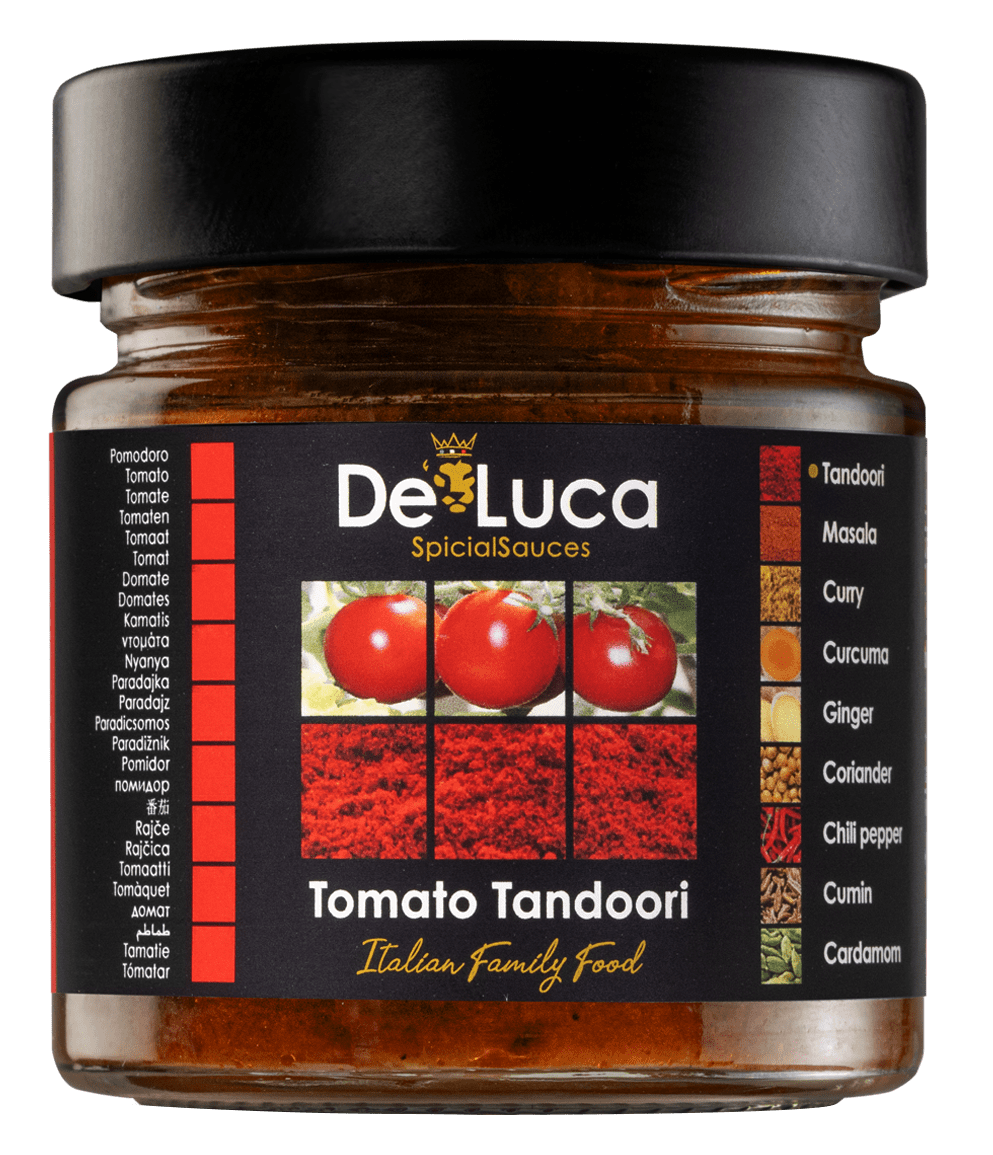
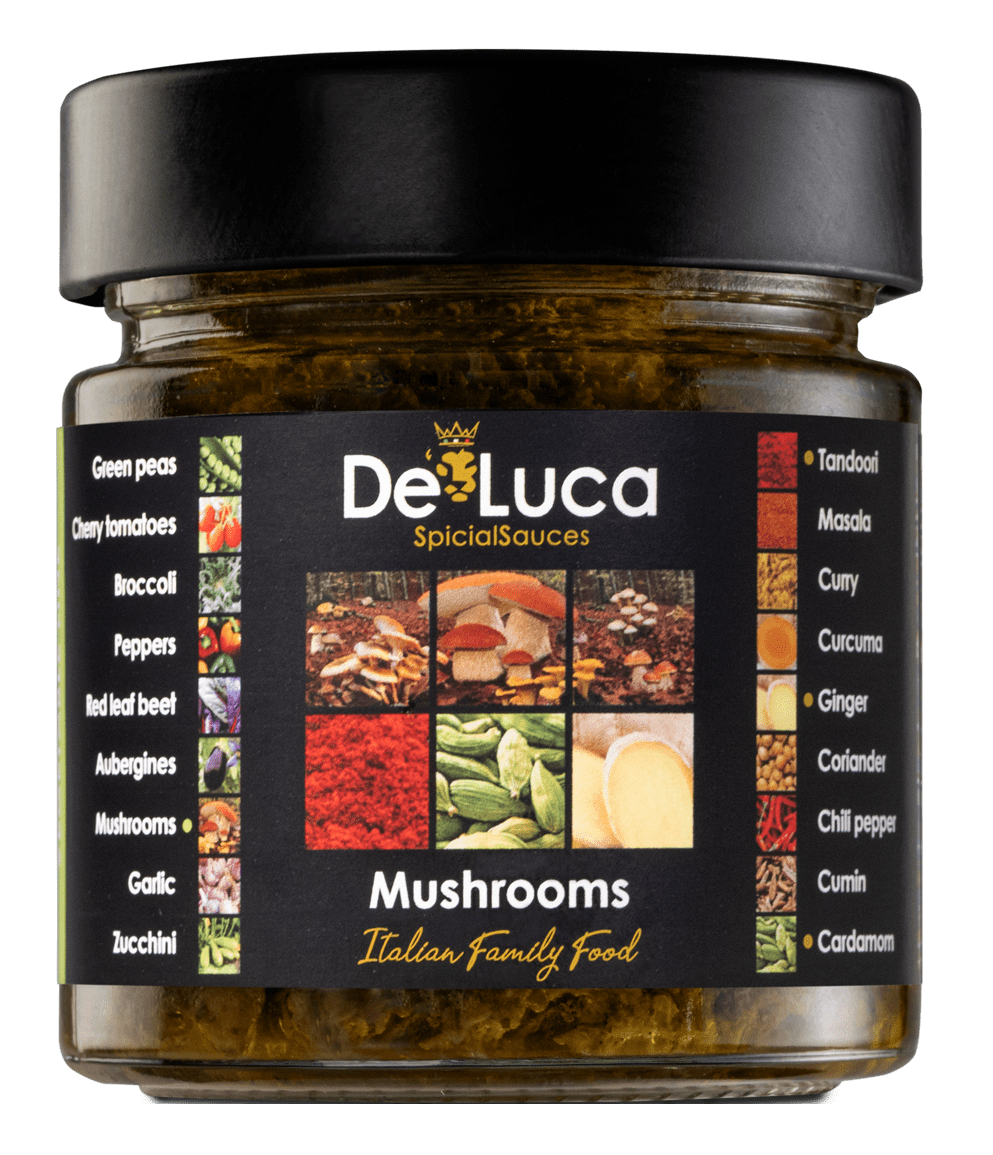
You can find it in Tomato Tandoori and Mushrooms.
Perfect for chicken with potatoes and cherry tomatoes or homemade gnocchi.
Cardamom
Cardamom is aromatic, fresh and slightly balsamic.
It pairs beautifully with mushrooms, rice and creamy sauces.
It is featured in Mushrooms.
Turmeric
Turmeric stands out for its golden colour and beneficial properties.
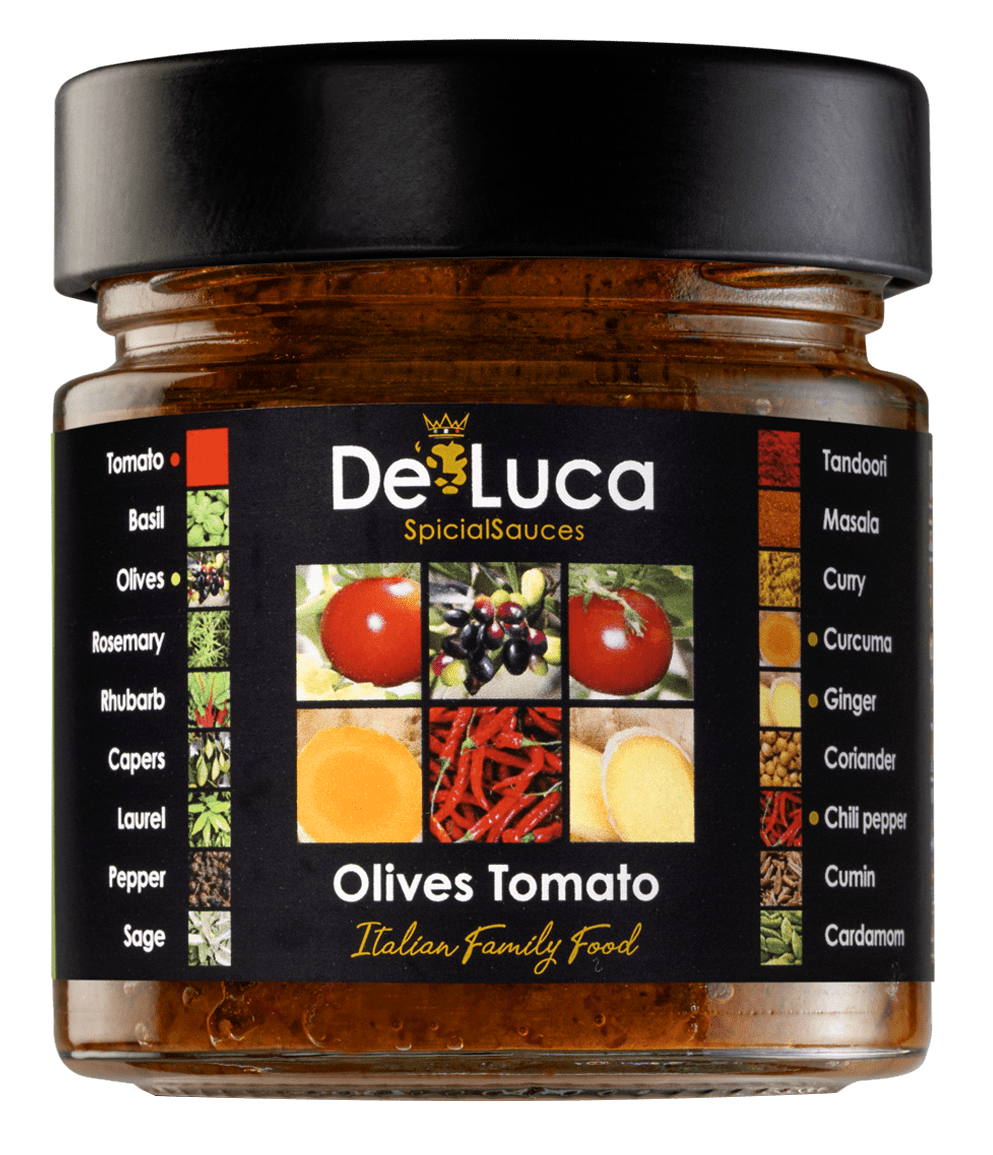
It is featured in Tomato and Olives Tomato.
Ginger
Ginger is fresh, spicy and invigorating.
It is present in several of our sauces.
It pairs perfectly with dishes such as baked octopus with vegetables.
Chilli
Chilli brings energy and character to any dish.
A classic is spaghetti with garlic, olive oil and chilli.
Conclusion
Spices offer endless culinary possibilities.
With our Spicial Sauces, we aim to inspire both experienced cooks and beginners.
Visit our shop and discover the world of spices!