
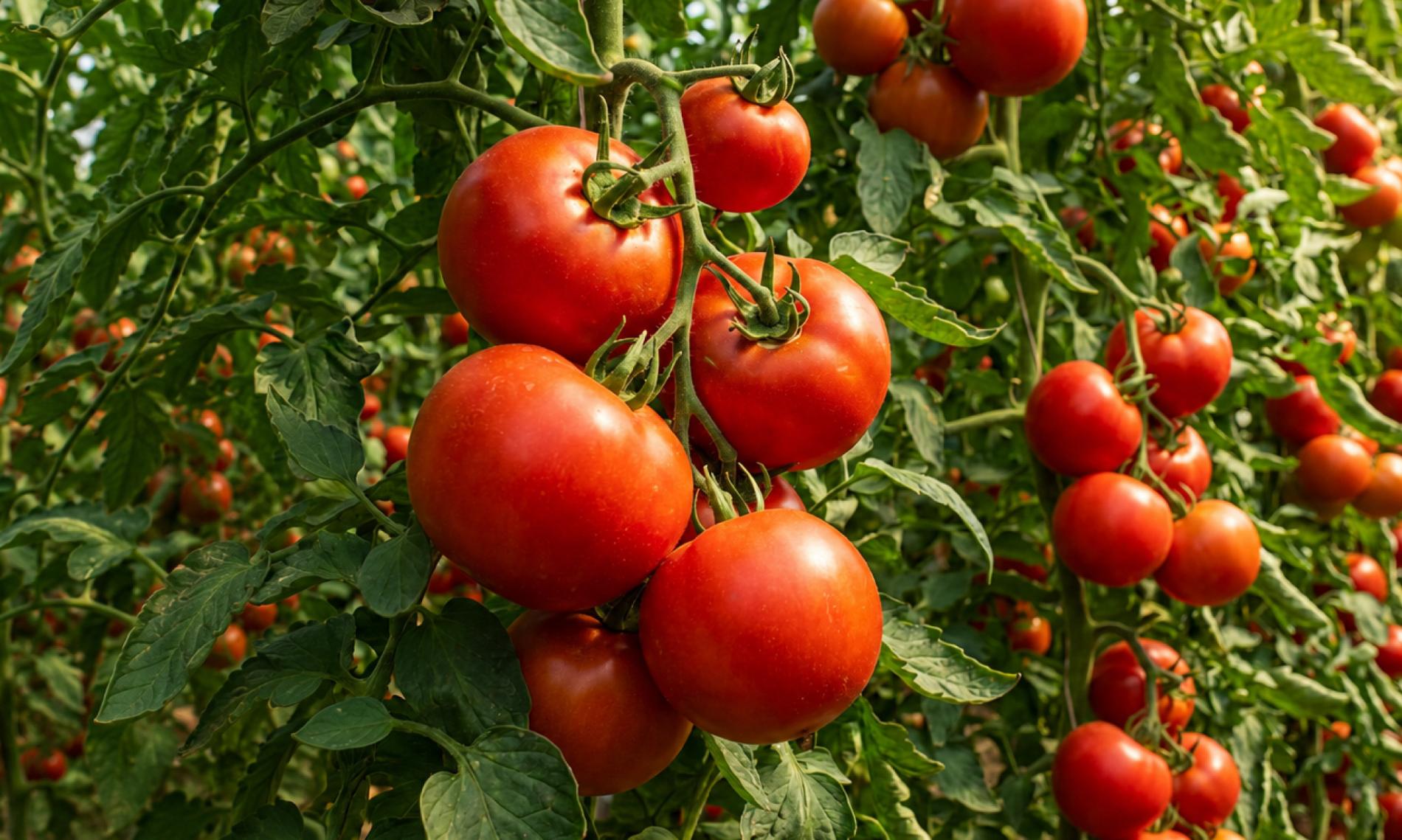
Red, fragrant, versatile and instantly recognisable: few ingredients are as closely associated with the image of Italian cuisine as the tomato.
It is the star of some of the simplest dishes in our tradition, but also of elaborate preparations, regional recipes and contemporary interpretations. Yet its Italian story began far from our tables.
Before becoming one of the iconic ingredients of Mediterranean cuisine, the tomato travelled across continents, eras and cultures, transforming from an unknown product into a fundamental element of our gastronomy.
A long journey before reaching Italian tables
Today, it is difficult to imagine Italian cuisine without tomatoes. Yet this ingredient travelled a very long way before becoming one of the symbols of our culinary tradition.
Originally from the American continent, the tomato arrived in Europe in the 16th century, following the discovery of the New World. At first, it was regarded with curiosity and grown mainly as an ornamental plant, while its use in cooking spread only gradually.
One of the earliest documented records of tomatoes in Italy dates back to 1548, when Cosimo de’ Medici received a basket of tomatoes in Pisa from a family estate in Tuscany.
However, it was mainly during the 18th century that tomatoes began to take on an increasingly important role in culinary preparations, while in the 19th century their use became truly widespread, gradually turning them into an everyday ingredient.
It was also during the 19th century that different preservation methods began to develop, making it possible to enjoy tomatoes beyond the summer season. From the earliest preserves to tomato sauces, a tradition was born that would become fundamental to Italian cuisine.
Over time, each region interpreted the tomato according to its own customs and recipes, transforming an ingredient that had arrived from afar into one of the most recognizable protagonists of Italian gastronomy.
A thousand ways to interpret the same ingredient
One of the reasons for the tomato’s success is certainly its extraordinary versatility.
It can be enjoyed fresh, when its texture and natural freshness become the stars of the dish, or slowly cooked to create rich and intense sauces.
It can accompany pasta, meat, fish and vegetables, become a sauce or tomato purée, or simply complete a recipe with colour and flavour.
In our recipe book, for example, we use it in its simplest form in Sliced Tomatoes with Tuna Belly and Basil, a summer dish where just a few ingredients are enough to bring out its full flavour.
In Spaghetti with Anchovies and Cherry Tomatoes, on the other hand, the cherry tomatoes are lightly cooked in a pan until they release their juices, creating a simple yet characterful sauce together with the anchovies.
These are two very different examples that clearly show how much the tomato can change personality depending on the preparation.
From fresh tomato to sauce: the heart of many recipes
When tomatoes are transformed into sauce, another great chapter of Italian cuisine begins.
Think of pasta with tomato sauce: just a few seemingly simple ingredients that nevertheless need to find the right balance.
Tomatoes, extra virgin olive oil and pasta can be enough to create a dish that immediately tells the story of our cuisine.
In our recipe book, we wanted to showcase this very combination in the recipe From Homemade Sauce to Gourmet: Tomato Pasta, where the simplicity of one of Italy’s best-known dishes meets a preparation capable of enhancing every element.
But tomatoes are not only part of first courses.
We find them in Spiced Eggplant Parmigiana, where they meet eggplant, mozzarella, basil and spices, or in Homemade Pappardelle with Tomato Sauce and Vegetables, where they accompany a rich combination of vegetables.
They can also become the base for less traditional preparations, such as our Beef Bites with “Tomato” Sauce, showing how a good tomato sauce can be used far beyond the classic pasta dish.
When tradition meets spices
The history of the tomato also teaches us something interesting: cuisine is never completely static.
Over time, different ingredients, techniques and cultures have come together, giving rise to new interpretations without necessarily erasing tradition.
The tomato perfectly represents this principle. Originally from lands far beyond Europe, it has become one of the most recognisable symbols of Italian cuisine and continues to lend itself to new combinations of flavours.
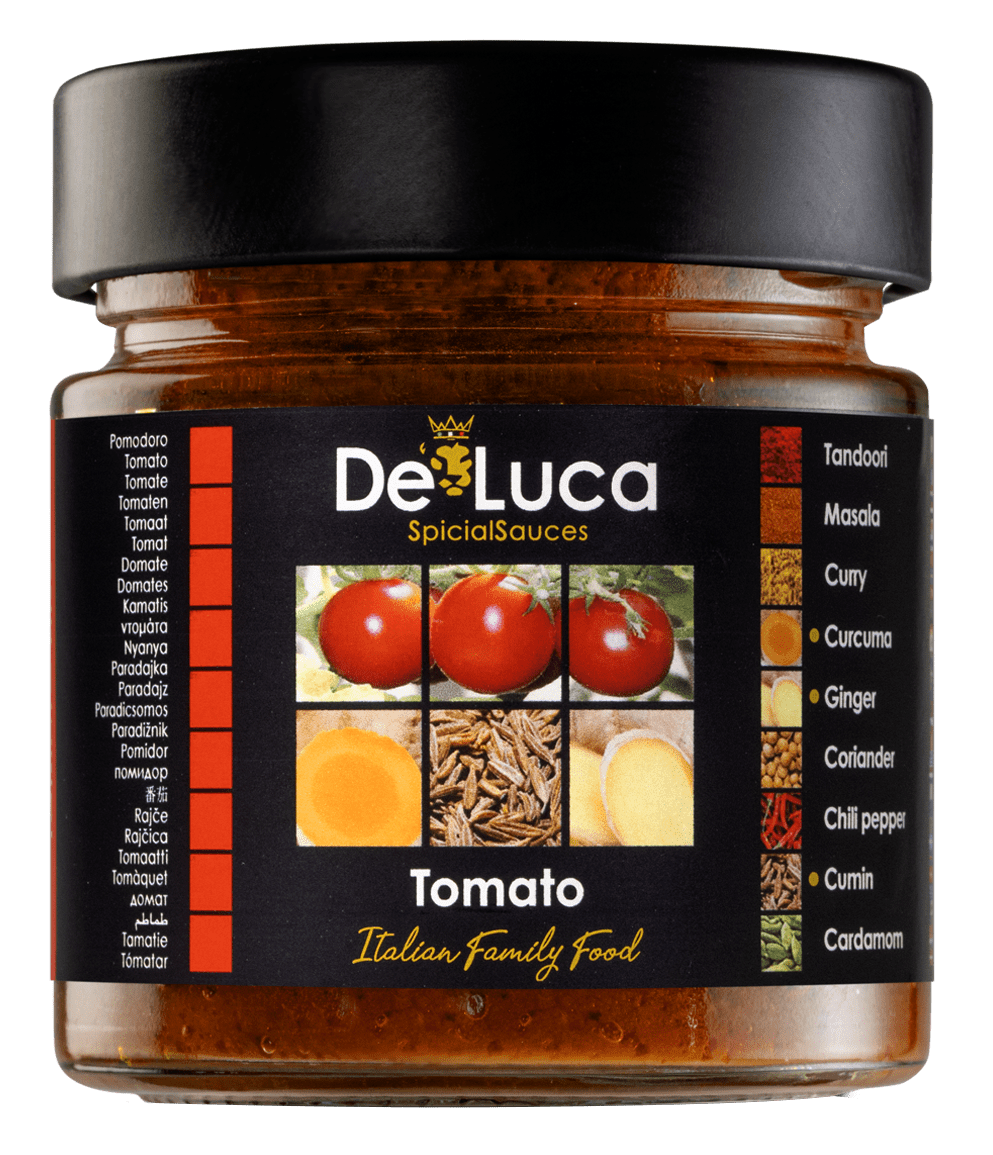
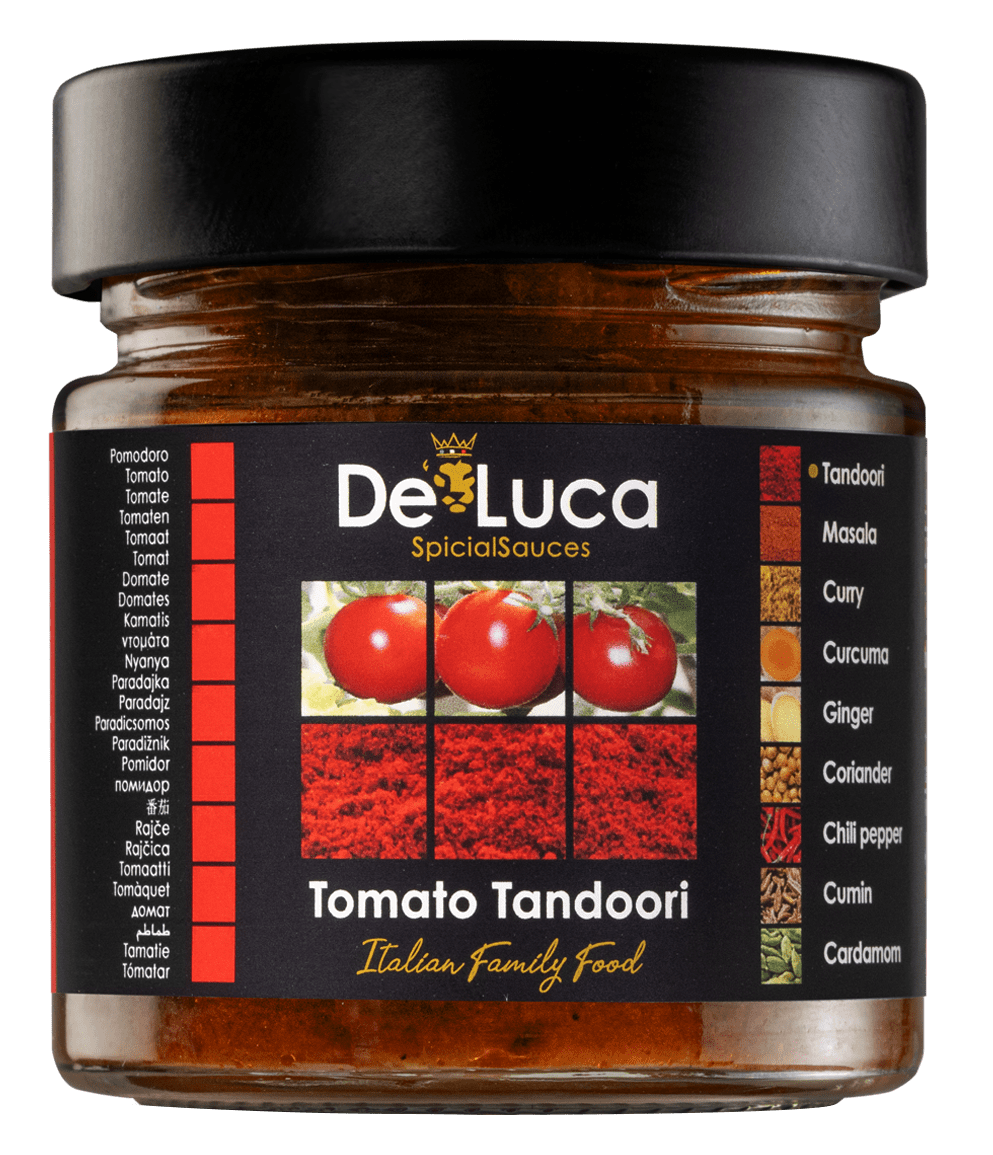
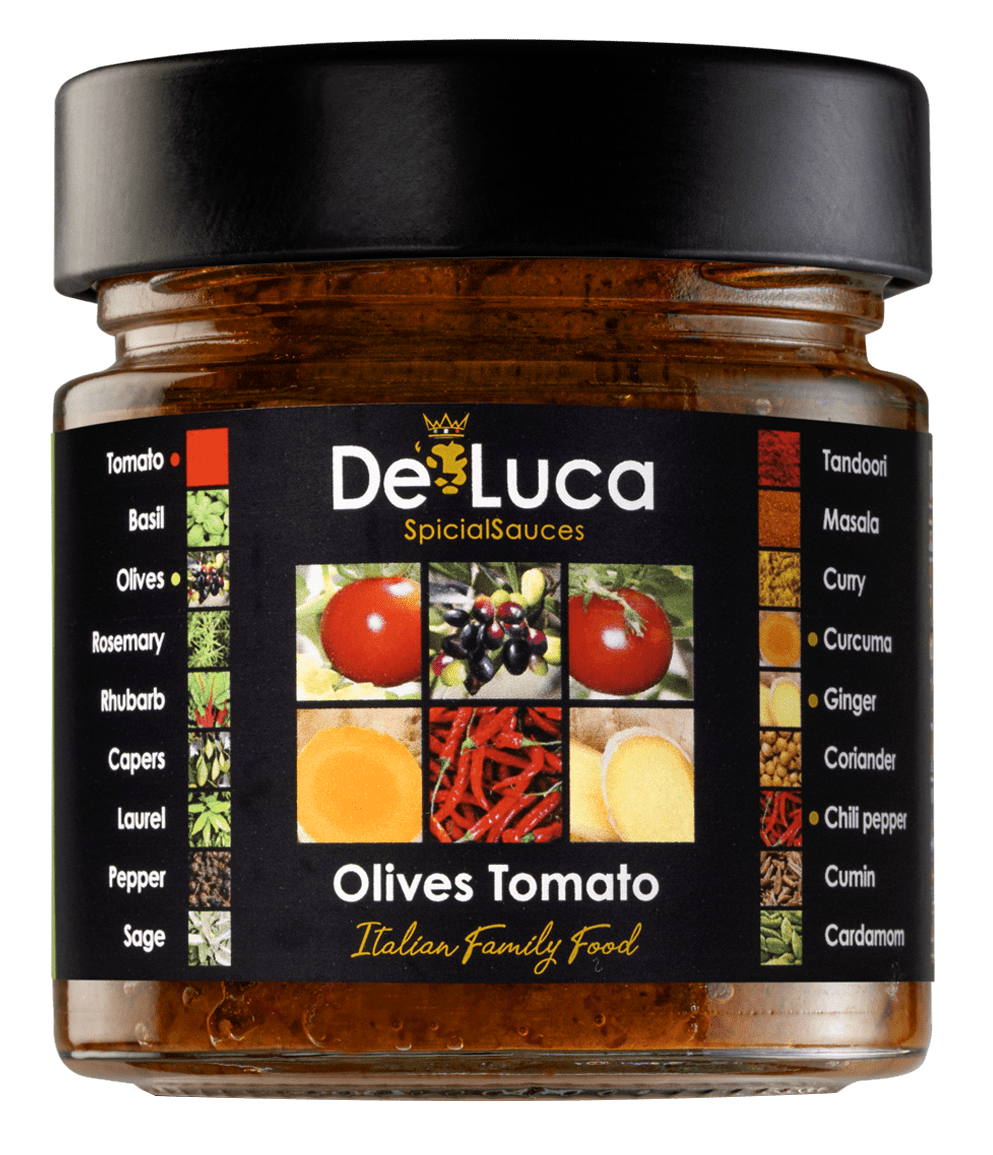
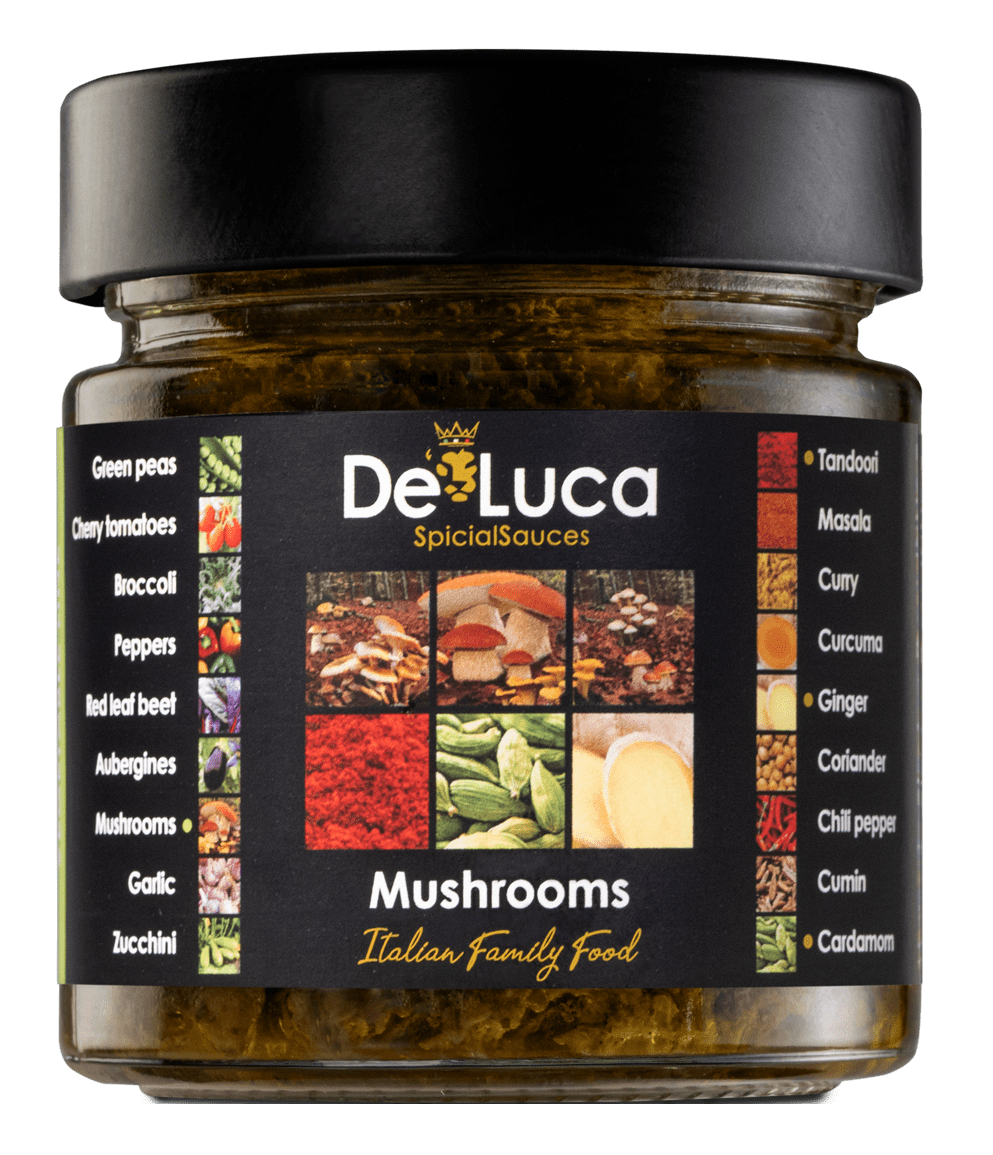
It is precisely from the encounter between Italian tradition and different gastronomic cultures that our idea of fusion cuisine was born, expressed through our artisanal sauces Spicial Sauces: starting with familiar ingredients and reinterpreting them through spices, aromas and combinations capable of surprising you.
After all, the tomato is much more than a simple ingredient: it is a story of journeys, influences, tradition and creativity that continues to tell the story of Italy through taste.