
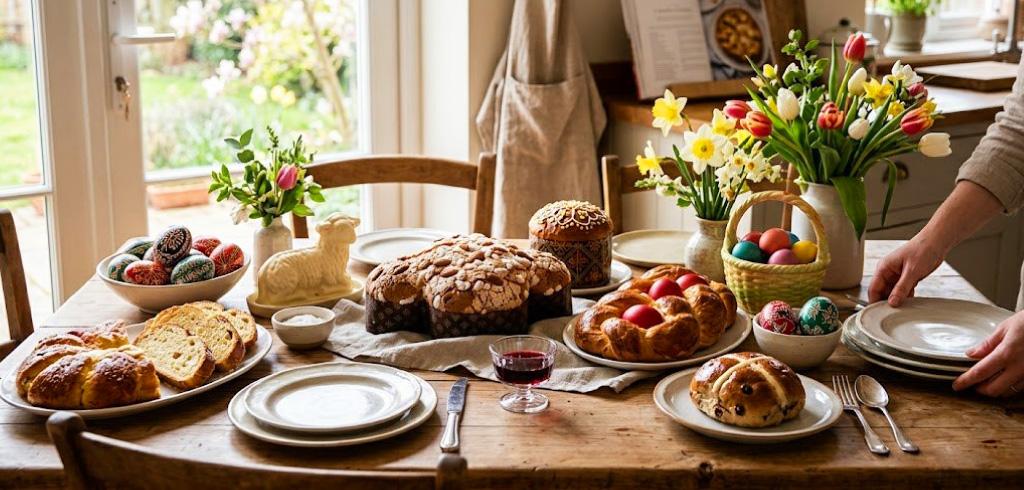
Easter in Europe is a celebration that brings together history, tradition, and togetherness, and it does so primarily through food. Each country marks the occasion with symbolic dishes and sweets that reflect centuries-old traditions and the arrival of spring. Ingredients, cooking methods, and recipes may vary, but the common thread remains the same: the joy of being together and sharing the table.
Eggs: a symbol of rebirth
One of the most widespread symbols of Easter is the egg, which represents rebirth, new life, and spring. In Germany and Austria, eggs are painted and hidden for the traditional Easter egg hunt, while in Italy and France, chocolate eggs are a beloved classic for both adults and children. In England, chocolate eggs coexist with egg-shaped cookies and treats, while in Spain eggs are not central to the tradition: here Easter is more connected to "Semana Santa", with local sweets such as Mona de Pascua or torrijas, fried and flavored sweet bread, which accompany religious rites rather than symbolically represent rebirth.
Easter sweets: history and culture in flavors
Alongside eggs, Easter sweets tell the culture and history of each country. In Italy, the colomba, soft and flavored with citrus, symbolizes peace and prosperity. In Germany and Austria, small lamb-shaped pastries (Osterlamm) accompany leavened breads and sweet breads, while in France elegant desserts are common, often chocolate-based or enriched with fresh fruit and spring flavors.
In Greece, Easter is celebrated with tsoureki, a leavened sweet bread flavored with mastiha or orange, decorated with boiled red eggs, while in Poland the Easter table is enriched with cakes such as mazurek and babka, leavened sweets rich in dried fruits and jam. In England, besides the Simnel Cake, Easter wouldn’t be complete without the famous Hot Cross Buns, small sweet buns with raisins and spices like cinnamon and nutmeg, a classic symbol of celebration and tradition.
Lamb: a symbol of celebration and rebirth
At the center of the Easter meal, especially in Italy, France, and Greece, is often lamb, a symbol of sacrifice and rebirth. It can be cooked in various ways: oven-marinated, baked in cartoccio, or as breaded chops for a crispy result. In Germany, Austria, England, and Portugal, roasted lamb accompanies Easter meals, often with seasonal vegetables, and in some regions of Spain it remains a traditional dish for Easter Sunday.
Rituals and togetherness
Easter is much more than a meal: it is a moment of rituals and togetherness. Preparing sweets, decorating eggs, or cooking lamb becomes a family ritual, a way to pass down memories, values, and flavors from generation to generation. The Easter table is not just food, but history, identity, and celebration of the season.
Conclusion: a common thread across Europe
In summary, Easter in Europe takes different forms, but some elements are common everywhere: eggs, traditional sweets, and lamb represent symbols of rebirth and spring. While in Italy, France, and Greece lamb and sweets are at the center of the table, in Germany and England eggs and leavened breads enrich the celebration, and in Spain Easter cuisine focuses on sweets and traditional dishes linked to "Semana Santa". Despite the differences, the common thread remains sharing, taste, and the celebration of new life, making Easter a unique moment in every corner of Europe.