
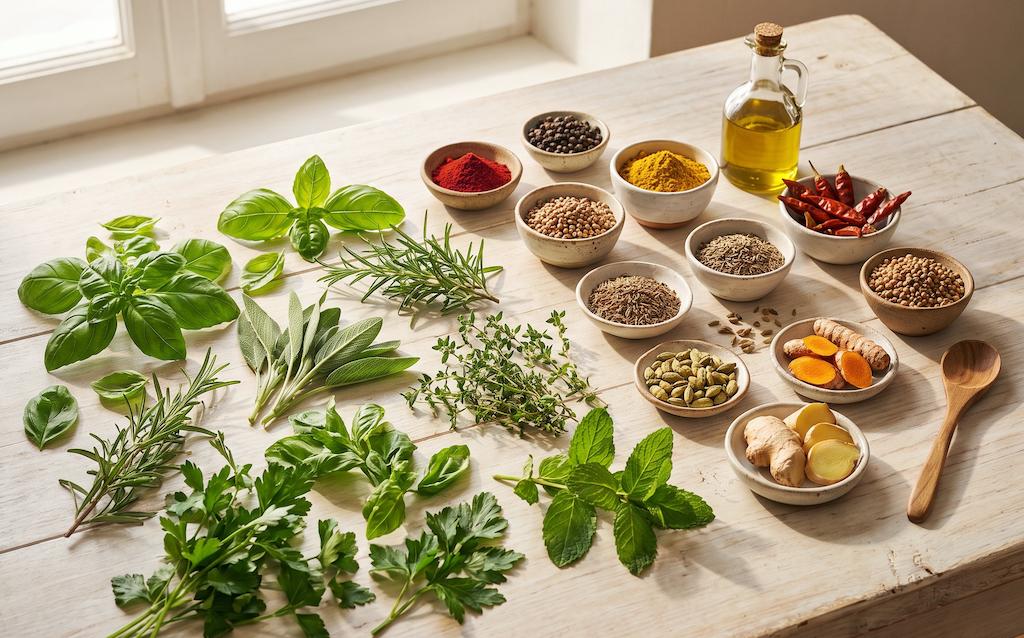
Basil, rosemary, sage, ginger, curry, turmeric, cardamom: simply adding one of these ingredients to a dish can change its aroma and, in some cases, completely transform its character.
Herbs and spices have accompanied cuisines around the world for centuries, helping to enhance simple ingredients such as tomatoes, vegetables, meat, fish and mushrooms.
Yet the two terms are often used almost interchangeably. In reality, there is an important difference, which mainly concerns the part of the plant that is used.
Herbs and spices: what’s the difference?
Herbs generally refer to the leaves and green parts of plants used to add aroma and flavour to dishes. Basil, rosemary, sage and bay leaves are some of the best-known examples in Italian cuisine.
Spices, on the other hand, can come from other parts of the plant, such as seeds, fruits, roots, rhizomes or bark. Cumin, for example, comes from seeds, while ginger is a rhizome.
So, it is not necessarily the intensity of the flavour that determines whether an ingredient is an herb or a spice: the distinction mainly depends on which part of the plant is used.
When should you add herbs?
Not all herbs behave in the same way during cooking. More delicate and fresh herbs, such as basil, release their aroma best when added towards the end of the preparation.
Cooking them for too long can, in fact, soften their freshest notes.
Herbs with a more robust structure and a more persistent aroma can instead accompany longer cooking times. Rosemary, for example, can be added from the beginning to flavour potatoes, meat and roasted vegetables.
Bay leaves, on the other hand, are often left in the dish during cooking so that they gradually release their aroma, and are then removed before serving.
The right timing therefore depends on the herb chosen and the result you want to achieve.
And what about spices? They don’t always have to be added at the end
With spices, things are a little different. Many can develop their aromatic profile more fully when added to the dish during cooking.
Some seeds, for example, can be briefly toasted before use to intensify their aroma. Ground spices, meanwhile, can be incorporated into the seasoning, taking care not to expose them to excessively high temperatures for too long.
Others can also be added during the final stages of preparation to achieve a more pronounced aromatic note.
The main rule, therefore, is not to treat all spices in the same way.
Curry, turmeric, ginger, cumin, coriander, cardamom and chilli all have different characteristics and can play a completely different role depending on the ingredients they are paired with.
Can herbs and spices be used together in the same dish?
Absolutely. And this is precisely where cooking becomes interesting.
An ingredient from the Mediterranean tradition can be paired with a familiar herb and, at the same time, with a spice capable of adding an unexpected nuance.
Take the tomato: basil and oregano can emphasise its more classic, Mediterranean character, while chilli, ginger or a spice blend can take it in completely different directions.
The same applies to vegetables and mushrooms. Their flavour does not necessarily have to be covered by the spicy component: a well-balanced spice should complement and enhance the main ingredient, not replace it.
The quantity matters as much as the choice
When using herbs and spices, one of the most common mistakes is to think that a larger quantity automatically means a more flavourful dish. In reality, it is balance that makes the difference.
An overly dominant aroma can make it difficult to recognise the other ingredients. Conversely, a carefully considered combination can create different layers of flavour.
It is therefore preferable to start with moderate quantities, taste as you cook, and gradually increase the intensity when necessary.
This is especially important when combining several spices: each element should have a specific purpose, creating depth, freshness, warmth or heat without turning the dish into an indistinct mix of aromas.
Herbs, spices and our Spicial Sauces
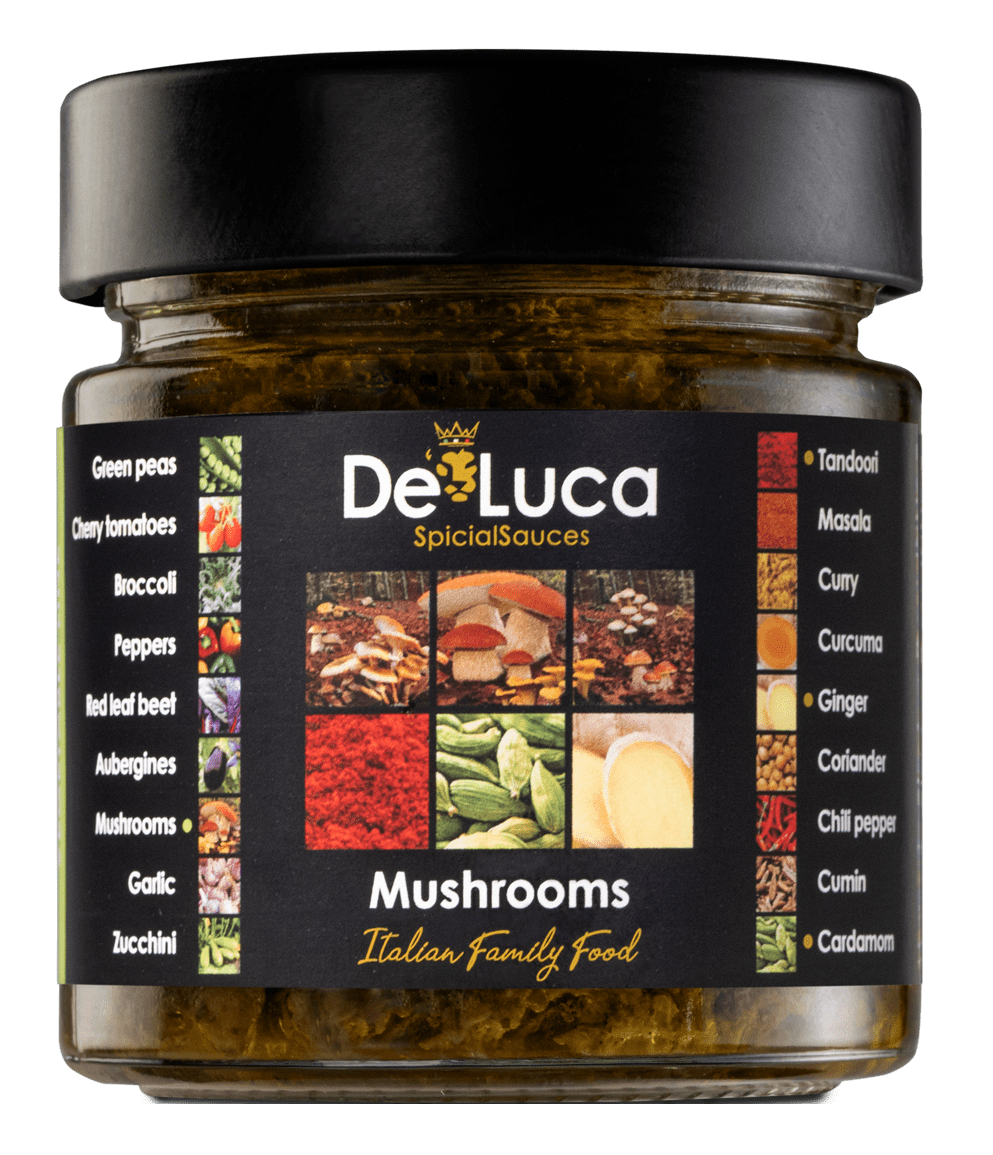
This search for balance is also at the heart of our Spicial Sauces, born from the meeting of traditional Italian ingredients and selected spices.
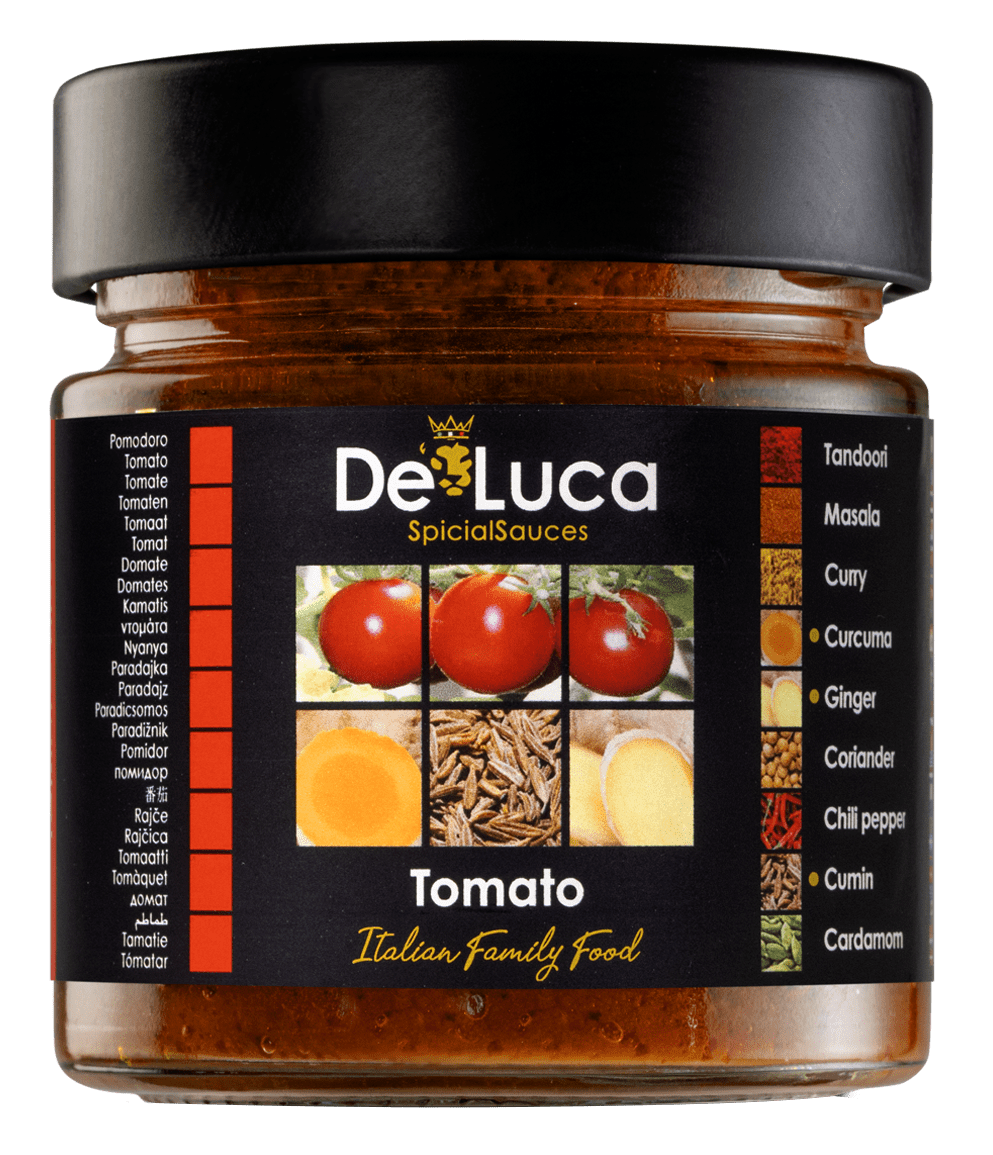
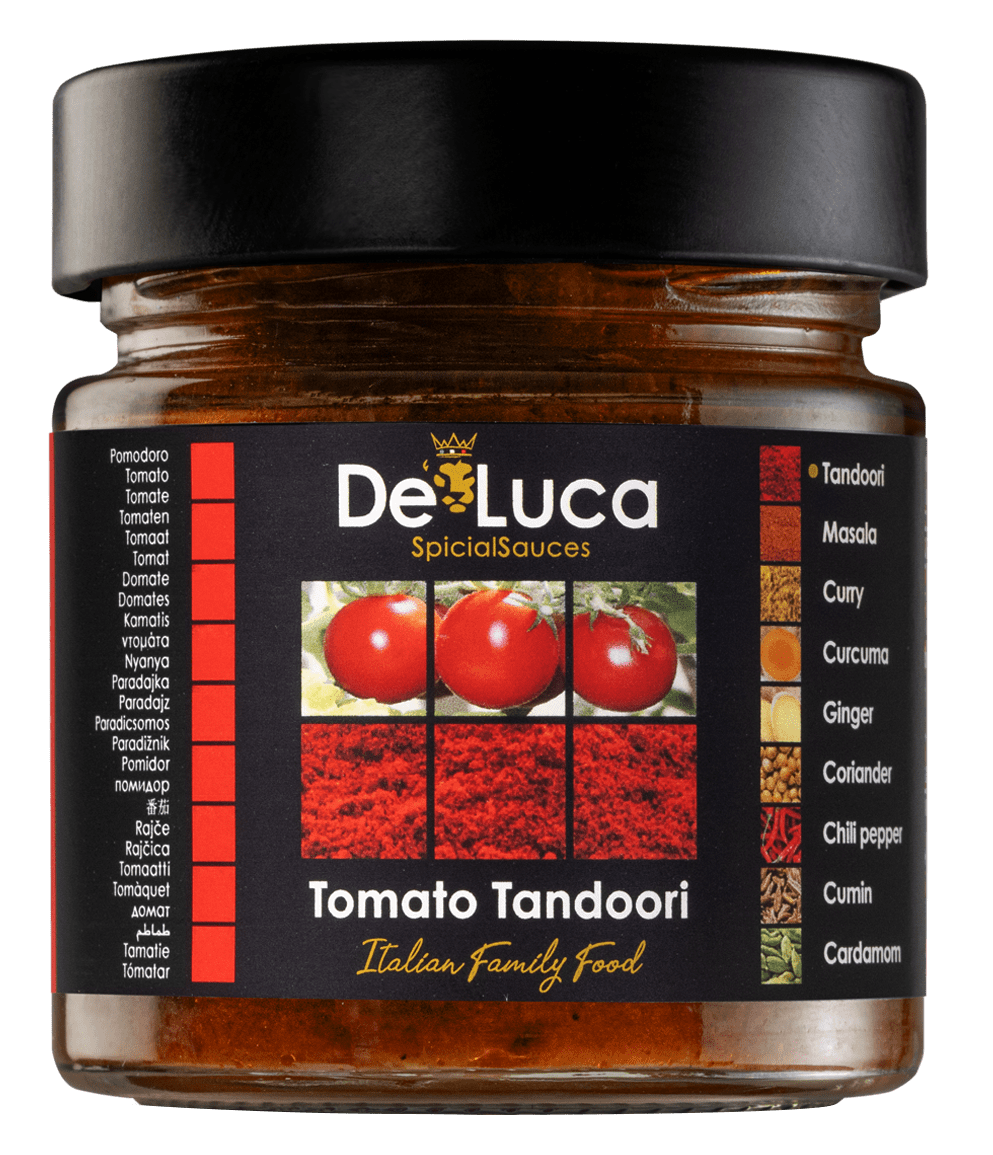
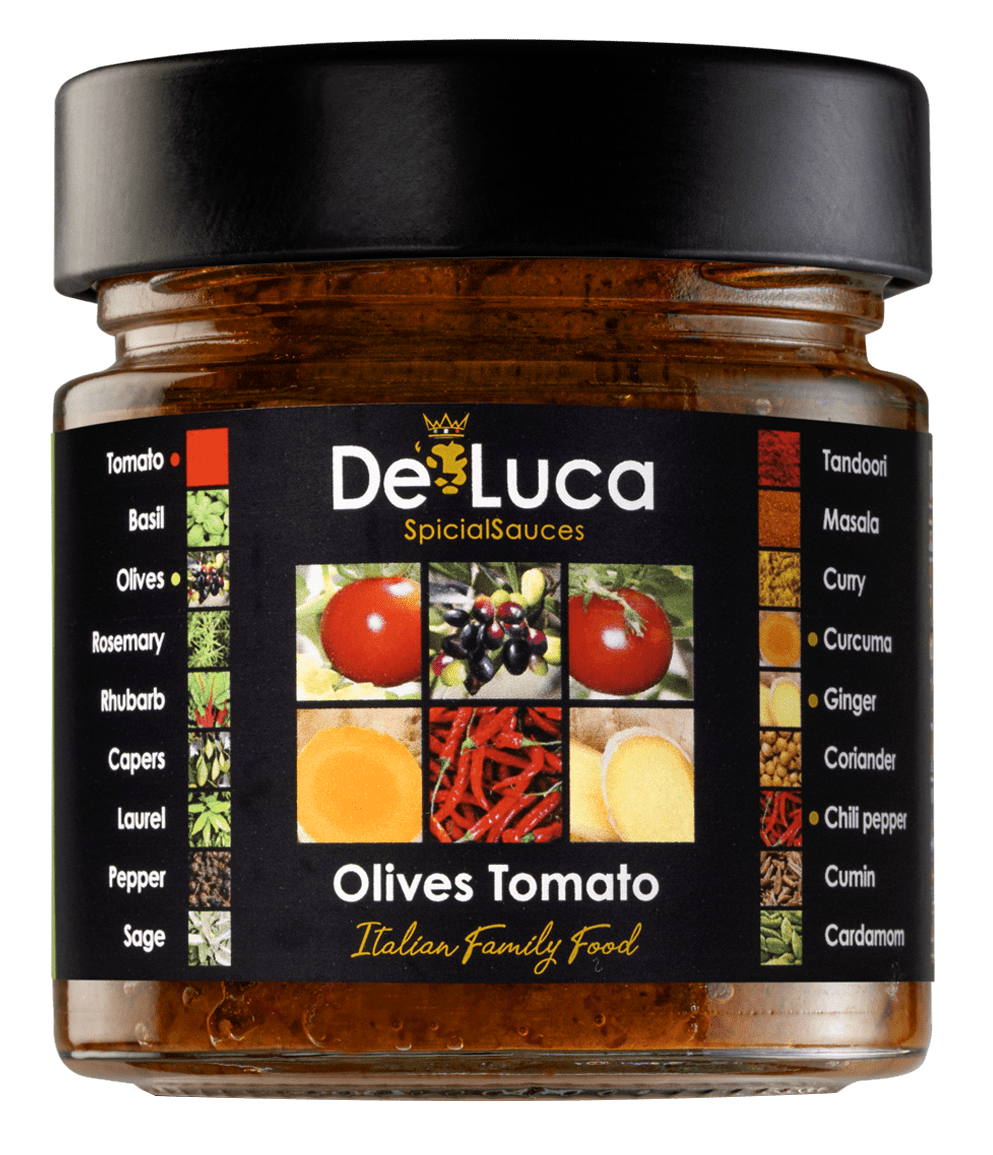
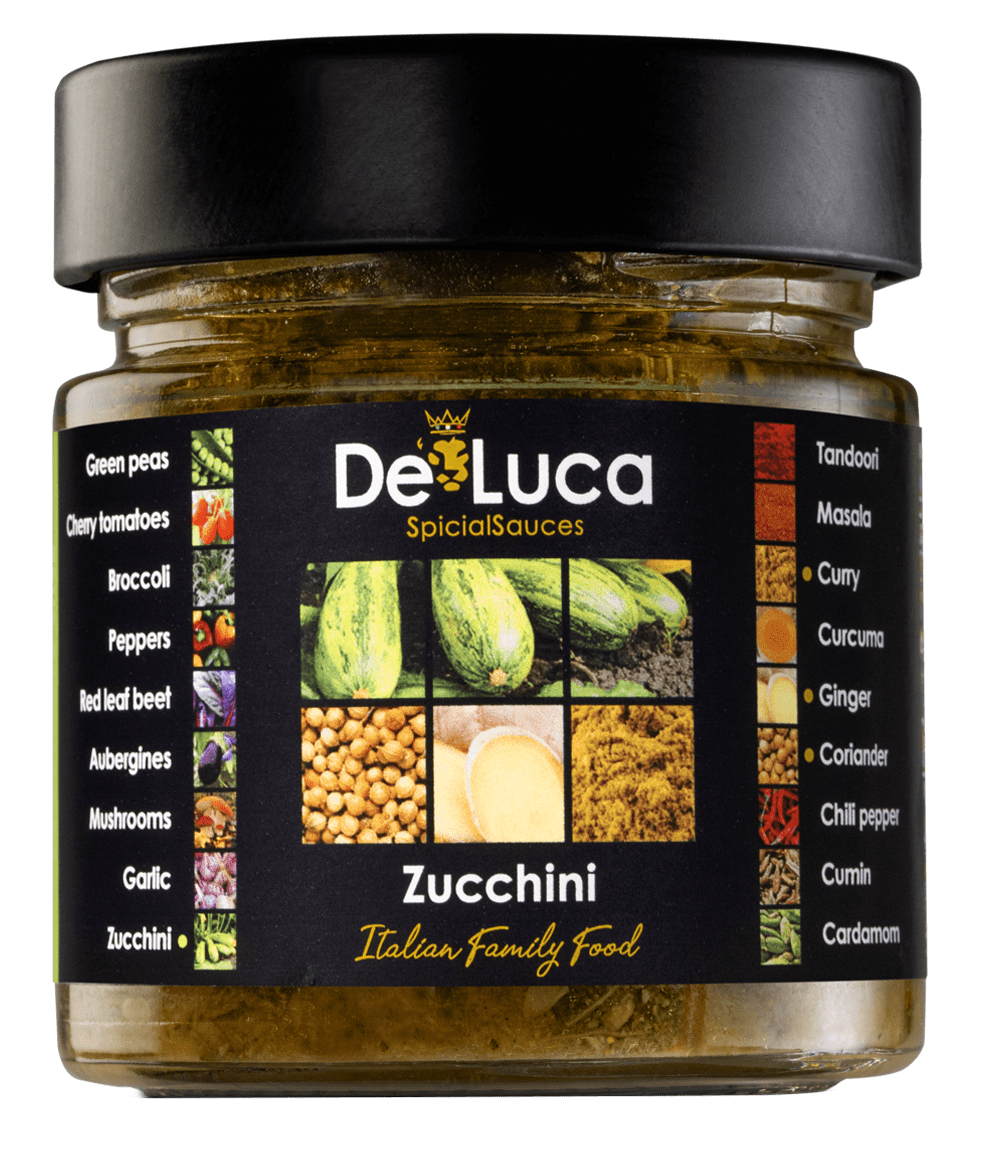
Tomatoes, olives, courgettes and mushrooms meet flavours such as ginger, coriander, curry, cardamom, turmeric and tandoori, creating sauces in which the main ingredient remains recognisable while being enriched with new nuances.
This is precisely the principle behind our approach to cooking: starting with familiar flavours and reinterpreting them through spices, aromas and combinations capable of surprising you.
Because knowing herbs and spices is not simply about learning to distinguish between them, but above all about understanding how and when to use them to enhance what we cook.
And often, it is precisely the right aroma, used in the right quantity and at the right moment, that transforms a simple preparation into a dish full of character.